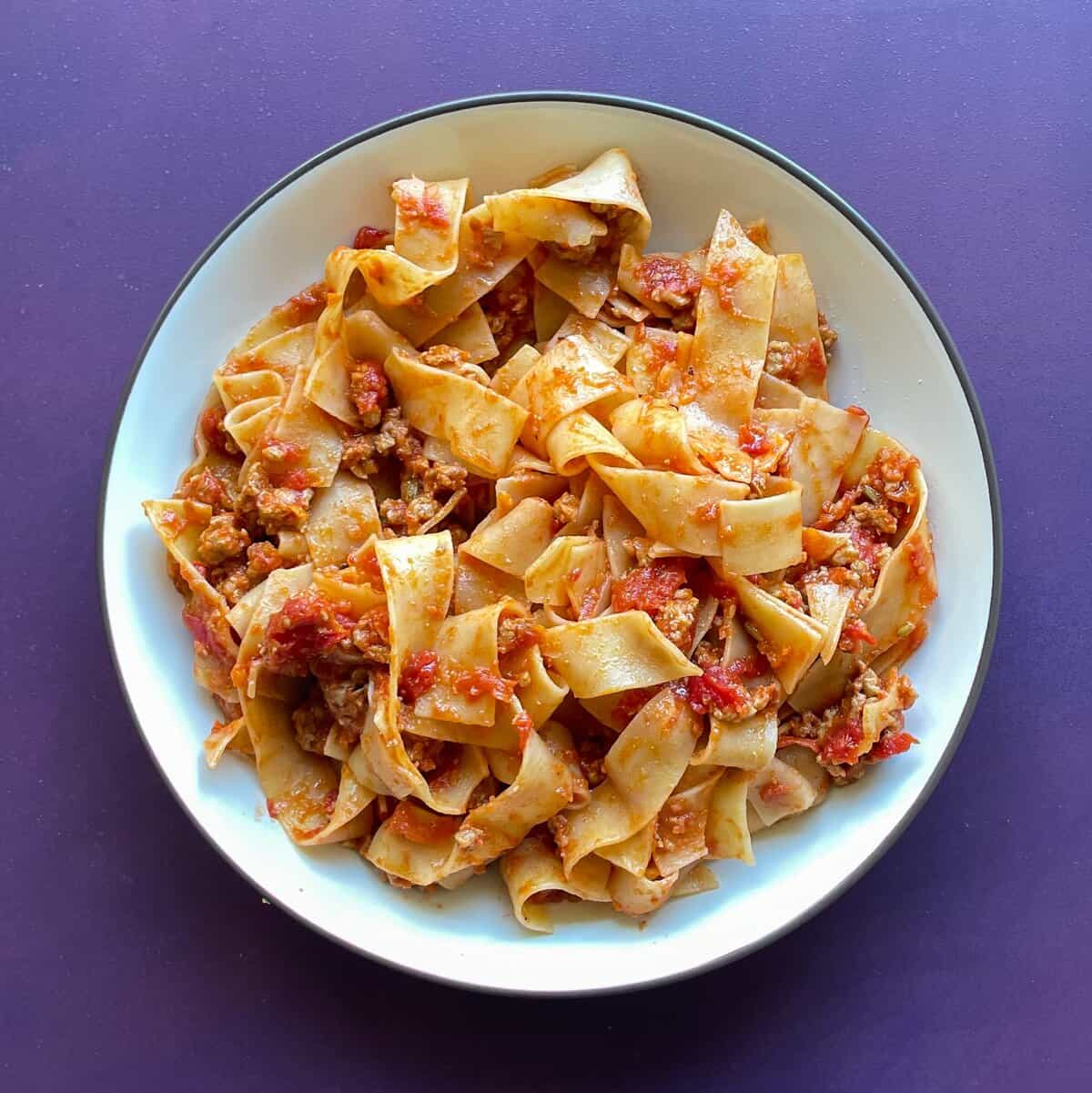
Sausage Ragu vs Bolognese: Quicker, Richer, and More Versatile
When it comes to the world of hearty Italian meat sauces, two names often come to mind: Bolognese and ragu. While Bolognese has achieved global fame, there's another contender, particularly the
spaghetti sausage ragu sauce, that often flies under the radar. This rustic Italian classic offers a compelling alternative that is frequently quicker to prepare, delivers an inherently richer flavor profile, and boasts incredible versatility. If you're looking for a dish that promises deep satisfaction without the extensive time commitment often associated with traditional Bolognese, it's time to explore the magnetic appeal of a well-made sausage ragu.
At its core, Bolognese is known for its slow-cooked ground meat (typically beef, sometimes with pork or veal), milk, wine, and tomato base, resulting in a delicate, complex, and mellow sauce. Sausage ragu, however, takes a different path, leveraging the robust, pre-seasoned goodness of Italian sausage to build a sauce that's bold, flavorful, and incredibly satisfying in a shorter timeframe. It’s a sauce that sings with rustic charm, perfectly clinging to pasta and transforming simple ingredients into an extraordinary meal.
The Heart of Italian Comfort: Unpacking Sausage Ragu
Imagine a sauce born from the heart of Italian rustic kitchens, where simple, high-quality ingredients are transformed into something truly special. That's the essence of Italian sausage ragu. Unlike its more famous cousin, Bolognese, this sauce centers around the star ingredient: Italian pork sausage. The journey begins with a classic
soffritto – a fragrant trinity of finely diced onion, celery, and carrot gently sautéed in olive oil until sweet and translucent. This aromatic foundation is crucial, setting the stage for the depth of flavor to come.
Once the soffritto is perfectly softened, the magic truly begins as the Italian sausage is added. The sausage is typically removed from its casing and crumbled, then browned, allowing its rich fats and seasonings to render and meld with the vegetables. This step is pivotal, as the inherent flavor of the sausage – whether it's mild, spicy, fennel-infused, or chili-spiced – becomes the dominant characteristic of the sauce. Finally, a good quality tomato passata or crushed tomatoes are introduced, and the mixture is left to simmer, allowing all the flavors to deepen and intertwine into a luscious, meaty sauce.
While there are similarities to Bolognese – both are tomato-based meat sauces that start with a soffritto – the choice of meat is the defining divergence. Bolognese relies on ground meat, requiring careful seasoning and a longer cook time to develop its intricate flavors. Sausage ragu, on the other hand, benefits from the sausage’s pre-existing blend of herbs and spices, which infuse the sauce quickly and comprehensively. This makes for a quicker path to a deeply flavorful sauce, making a delicious
easy spaghetti sausage ragu a weeknight possibility.
Sausage Ragu vs. Bolognese: A Flavor & Time Showdown
The debate between sausage ragu and Bolognese isn't about which is "better," but rather about distinct profiles and culinary goals. Both are magnificent in their own right, but they offer different experiences.
*
The Meat Factor: This is the most significant differentiator. Bolognese traditionally uses ground beef, often with some pancetta, and sometimes a mix of pork or veal. The flavor profile is built up layer by layer. Sausage ragu, however, harnesses the power of Italian pork sausage. The beauty of sausage lies in its built-in seasoning – fennel, garlic, chili flakes, and other spices are already blended into the meat. As it cooks, these flavors permeate the entire sauce, creating an immediate and profound depth that ground meat alone simply cannot achieve without significant added effort.
*
Quicker to the Finish Line: One of sausage ragu’s most appealing attributes is its efficiency. While both sauces benefit from simmering, sausage ragu often requires less time to develop a rich, complex flavor. Because the sausage is already seasoned and breaks down readily, it integrates into the sauce more quickly than unseasoned ground meat. Many traditional Bolognese recipes call for hours of simmering, often involving additions like milk or wine cooked down slowly. While some sausage ragu recipes might incorporate wine, many home cooks opt to omit it, simplifying the process and making it more appealing for children or those who prefer a non-alcoholic sauce. This allows you to achieve a deeply satisfying meal in significantly less time than a classic Bolognese.
*
Richer, Bolder Flavor: The inherent fat and seasoning of the sausage contribute to a sauce that tastes inherently richer and bolder. As the sausage renders, its fat enriches the soffritto and provides a luxurious mouthfeel to the finished sauce. This richness often gives sausage ragu a more rustic, robust character compared to the often more refined and mellow taste of Bolognese. If you crave a sauce that makes a statement with every bite, sausage ragu is your champion.
Beyond Pasta: Unleashing Sausage Ragu's Incredible Versatility
While a bowl of pasta smothered in a rich sausage ragu is a truly sublime experience, the beauty of this sauce lies in its adaptability. The possibilities extend far beyond a simple pasta dish, making it a valuable addition to any home cook's repertoire.
For pasta pairings, the robust nature of a
spaghetti sausage ragu sauce means it stands up beautifully to sturdy shapes.
Rigatoni, with its ridged exterior and wide hollow, is an excellent choice, adept at capturing every drop of the luscious sauce. Likewise, traditional spaghetti and other hearty pasta shapes work wonderfully. For those who appreciate the delicate texture of fresh pasta,
Tagliatelle or
Fettuccine provide a luxurious complement, their broad surfaces perfectly coated by the rich ragu.
But don't stop there! Sausage ragu is a champion in baked pasta dishes. It's the perfect savory layer for a comforting
lasagna, adding incredible depth and meatiness between sheets of pasta. Similarly, it elevates
cannelloni or stuffed shells, transforming them into decadent, satisfying meals.
The versatility of sausage ragu truly shines when you venture beyond traditional pasta dishes. Consider these exciting applications:
* **Polenta:** Spooned over creamy polenta, the ragu becomes a rustic, comforting meal, perfect for a chilly evening.
* **Bruschetta:** A dollop of warm sausage ragu on toasted bread creates an exquisite appetizer or a sophisticated snack.
* **Piadina Wraps:** Use it as a hearty filling for Italian flatbreads, offering a portable and flavorful lunch or light dinner.
* **Eggs:** A surprising but delicious pairing! Serve it alongside fried or poached eggs for a gourmet breakfast or brunch.
* **Sandwiches:** Reheat some ragu and serve it on a crusty roll for an incredibly satisfying hot sandwich.
The beauty of sausage ragu also lies in its ability to be embellished and customized. With so many varieties of Italian sausage available, from sweet fennel to fiery chili, the flavor possibilities are endless. To dive deeper into creative uses and flavor enhancements, explore
Unlock Sausage Ragu's Potential: Pairings & Flavor Variations.
Mastering Your Sausage Ragu: Tips for Success
Creating an exceptional sausage ragu is an achievable feat for any home cook. By focusing on a few key elements and understanding the nuances, you can consistently produce a sauce that will earn rave reviews.
1.
Choose Your Sausage Wisely: This is arguably the most critical decision. The type of Italian sausage you select will dictate the primary flavor profile of your sauce.
*
Sweet Italian Sausage: Often seasoned with fennel and garlic, it provides a classic, comforting flavor.
*
Spicy Italian Sausage: Infused with red pepper flakes, it adds a delightful kick and warmth.
*
Fennel Sausage: For those who adore the distinct anise-like flavor of fennel, this variety amplifies that characteristic beautifully.
*
Ham or Other Varieties: Don't be afraid to experiment! Local butchers often have unique blends that can inspire new variations. Remember, if your sausage is very lean, you might need a touch more olive oil when browning.
2.
Respect the Soffritto: The trio of onion, celery, and carrot forms the sweet, aromatic base of your sauce. Take your time with this step, cooking them gently over medium-low heat until they are completely softened and translucent, not browned. This slow cooking brings out their natural sweetness, adding crucial depth to the ragu.
3.
Quality Tomatoes Matter: Since tomatoes are a significant component, opt for high-quality tomato passata (puréed tomatoes) or crushed tomatoes. Good quality tomatoes, often from Italy, have a naturally sweet and balanced flavor that will elevate your sauce.
4.
Browning the Sausage: Ensure you properly brown the crumbled sausage. This creates rich, savory crusts (fond) at the bottom of the pan, which will later be scraped up and incorporated into the sauce, adding another layer of flavor.
5.
Simmer for Depth: While sausage ragu is quicker than Bolognese, a good simmer is still essential. Aim for at least 30-60 minutes, or even longer if you have the time. This allows the flavors to marry, the tomatoes to mellow, and the sauce to thicken into a luxurious consistency. Keep it at a gentle bubble, just enough to release steam and concentrate flavors.
6.
To Wine or Not to Wine: Many traditional ragu recipes include a splash of red or white wine after browning the sausage. If using, allow it to cook down completely until evaporated before adding the tomatoes. This step adds complexity and acidity. However, as noted, omitting wine keeps the sauce kid-friendly and simpler, without sacrificing much flavor thanks to the robust sausage.
7.
Finishing Touches: A final stir-in of fresh basil or parsley just before serving brightens the flavor. A generous grating of Parmesan or Pecorino Romano cheese at the table is non-negotiable, adding a salty, umami finish that truly completes the dish.
In conclusion, Italian sausage ragu is far more than just "Bolognese with sausage." It's a distinct culinary experience, offering a quicker path to a richer, bolder, and incredibly satisfying meal. Its inherent versatility means it’s a sauce that can anchor countless dishes, from comforting bowls of
spaghetti sausage ragu sauce to elegant appetizers and hearty baked creations. If you're seeking a hearty, flavorful, and wonderfully adaptable sauce that truly delivers on taste without demanding hours in the kitchen, it's time to embrace the rustic charm and irresistible allure of sausage ragu. Give it a try – it's guaranteed to win you over.